Class B Foam also called AFFF. Class A foams generally do not contain per- and polyfluoroalkyl substances also known as PFAS.
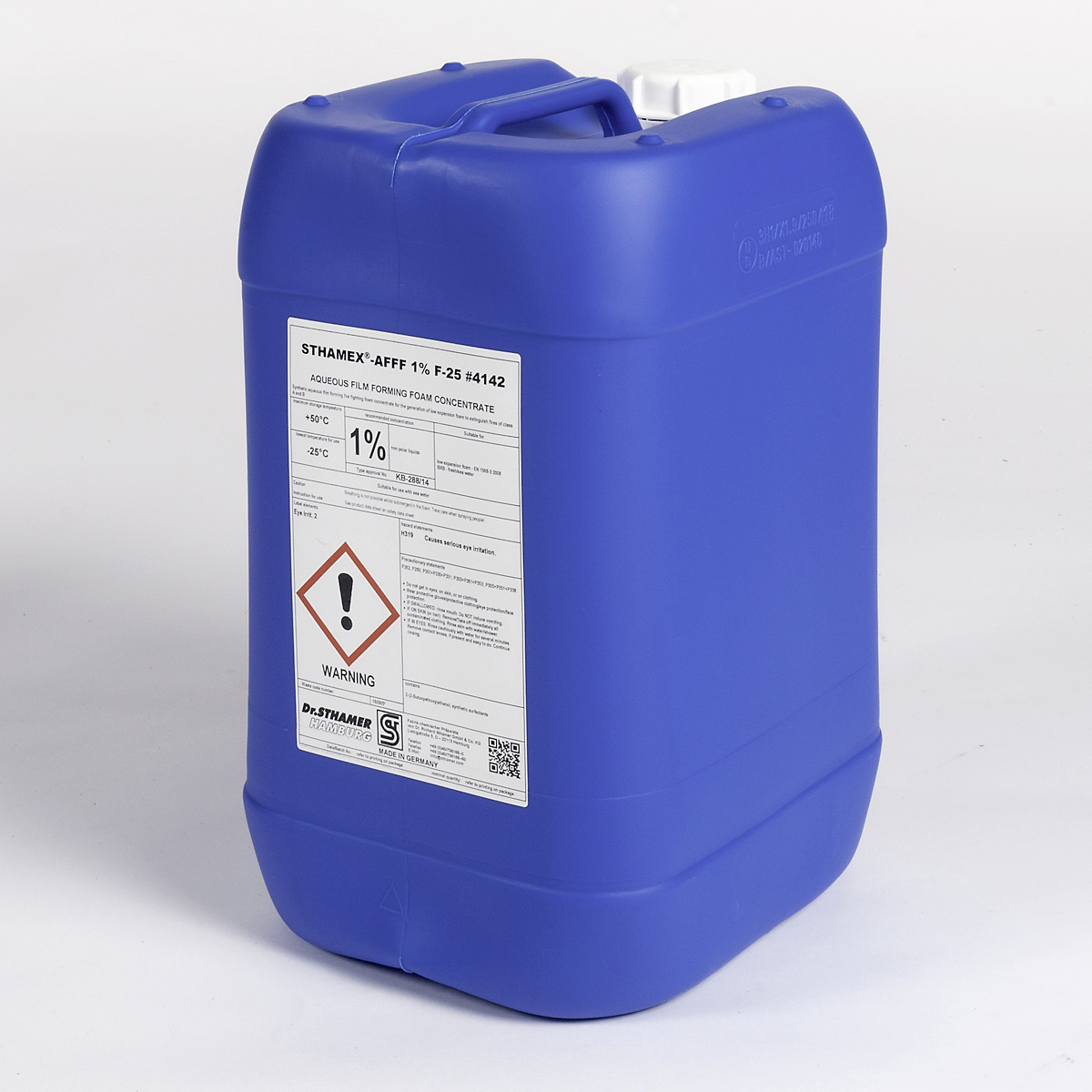
Survitec Foam Concentrates Afff 1
Because there is not PFAS in the formulation SFFFs do not form this aqueous film.

. If you or a loved one are a firefighter were exposed to firefighting foam and later developed cancer you may be entitled to compensation through a firefighting foam lawsuit. It can be applied to Class B liquid spills to prevent ignition. An anti-freeze charge can be added to provide freeze protection to -40F.
Ad Fall Protection Facility Traffic Safety Equipment. The AFFF is exactly what it is AFFF or Class B foam. Available in either a 1 3 or 6 type concentrate.
Advantages of Class A Foam Increase the effectiveness of water Extend the useful life of water Provide short-term fire barrier. By increasing your knowledge about the two different types of foam youll be confident in knowing when where and how to use Class A and Class B foam to achieve fast safe suppression for any type of fire situation. These concentrates are manufactured.
Well fluorine-free foam requires more volume and special equipment to make it effective but doesnt pose any risk to the environment. Class A foam is used on common combustibles such as paper wood and textiles. Used to extinguish Class B materials which include gasoline oil and jet fuel.
There are two major types of firefighting foam Class A and Class B. Its obvious that Class A foam is used to fight Class A fires and that Class B foam snuffs out the Bs. Class B foam is used on flammable liquids.
For many departments AFFF was the dominant Class B firefighting agent for use on fires involving simple hydrocarbon fuels like crude diesel jet fuel home heating oil and nonoxygenated gasoline. Class B firefighting foams are commercial surfactant solutions that have been and continue to be stored and used for. Both are synthetic firefighting foams for class A and B fires.
They are ideal for emergency first response vehicles. Because the foam can form a film the foam blanket can be effective at lower foam. All Class B foams are not the same.
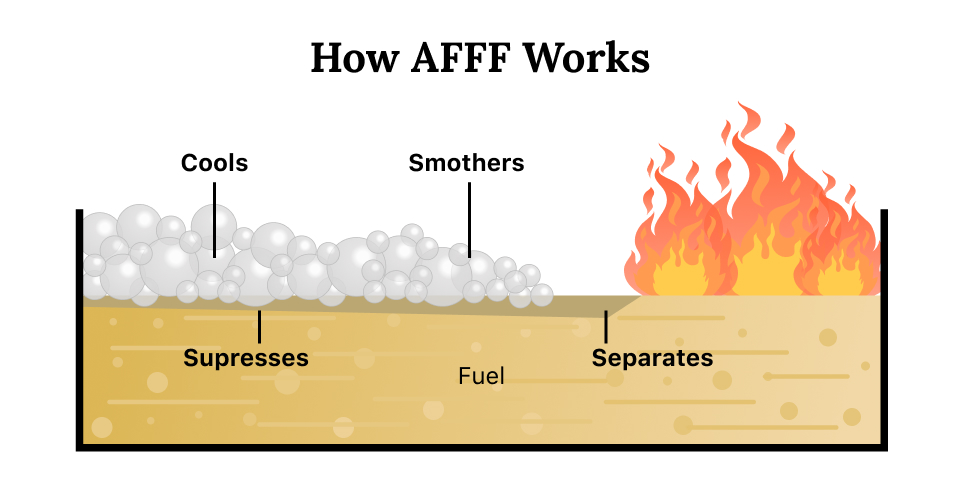
This aqueous film aids in fire extinguishment and reignition by preventing the evaporation of vapors. Class A foams are used to extinguish fires caused by wood paper and brush. It is not Class A foam regardless if you dilute the Class B or not.
Class B Foam also called AFFF. These are the same classes as used in identifying fire extinguishers. AFFF is a synthetic-based foam that contains fluorinated and hydrocarbon-based surfactants including perfluoroalkyl or polyfluoroalkyl.
The two major classes of Firefighting Foam. Aqueous Film Forming Foam AFFF Alcohol Resistant AR-AFFF Synthetic medium or high expansion types detergent Class A Foam Concentrate. It is not Class A foam regardless if you dilute the Class B or not.
You need to choose to fight fires preserving health and environment with Fluorine-Free Foam or to suppress fire with. The types of foam used by our customers can be basically broken into two categories Class A and Class B. SFFFs rely solely on the foam blanket to extinguish the fire.
Class A foams generally do not contain per- and polyfluoroalkyl substances also known as PFAS. Since it contains no alcohols Novacool will not cause AFFF to defoam or contribute to the deterioration of the foam blanket. Class A foam can be produced using numerous types and configu-rations of equipment which are discussed later in some detail.
Generally Class A foams are considered to be much safer and far less toxic than AFFF which can harm the environment and human health. Diagnosed With Cancer After Exposure to AFFF. A Loaded Stream fire extinguisher is effective on Class A fires.
Recently performed a head to head test with Novacool versus Class A and AFFF foam. First of all the firefighting foam you choose should meet your site-specific needs in terms of risks existing foam equipment Secondly you can balance environmental considerations and fire safety. Class A foams are used to extinguish fires caused by wood paper and brush.
Film Forming Fluoroprotein FFFP AQUEOUS FILM FORMING FOAM CONCENTRATE AFFF. An AFFF Foam fire extinguisher is effective on Class A and Class B fires. When used as a fire barrier air aspiration of the foam solution is critical.
Used to extinguish Class A materials such as wood paper and brush wildland is widely used by many fire departments for structural firefighting using compressed air foam systems. The ratio of class A foam concentrate to water is typically 01 to 10 percent. It can be applied to Class B liquid spills to prevent ignition.
SYNTHETIC DETERGENT FOAM MID AND HIGH EXPANSION Effective on Class A fires High Expansion is very use-. This fact sheet focuses on AFFF as these foams contain fluorosurfactants and they are widely used. Including aqueous film-forming foam AFFF or alcohol-resistant aqueous film-forming foam AR-AFFF or protein foams.
Class A was designed for and works best on ordinary combustibles. On the other hand AFFF is an incredibly effective extinguishing agent but poses extreme risks to. 400k Businesses Trust Zoro.
Per- and polyfluoroalkyl substances PFAS are the active ingredients in fluorosurfactants. A fire barrier Class A foams increase moisture con-tent in Class A combustibles preventing the ignition of these type fuels. The following video is of how Novacool performed and I.

Afff Foam Class Action Lawsuit Firefighter Cancer Lawsuit

Aqueous Film Forming Foam Afff Mass Tort News
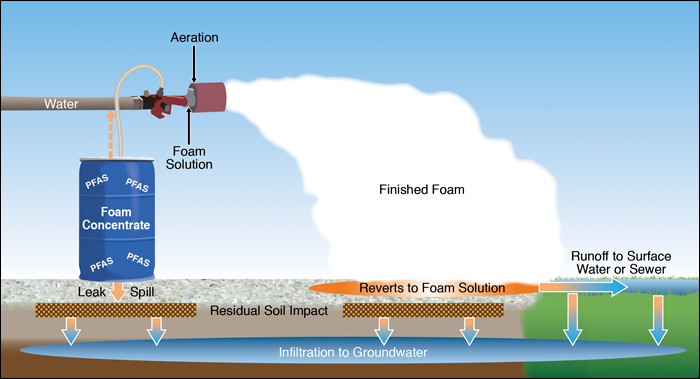
3 Firefighting Foams Pfas Per And Polyfluoroalkyl Substances

Aqueous Fire Fighting Foam Afff Lawyers Elg Law

China 6 Ar Afff Manufacturers Suppliers Wholesale Price Forede

Fluorine Free Foam Vs Afff What S The Difference Vanguard

Afff 1 A Foam Concentrate Fomtec Firefighting Foam
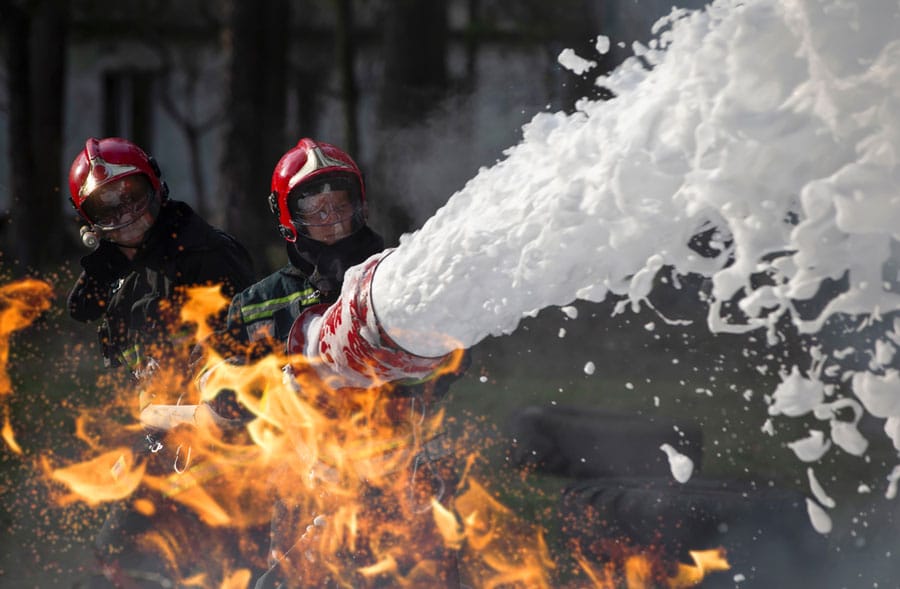
Firefighting Foam Pfas What You Need To Know Vanguard
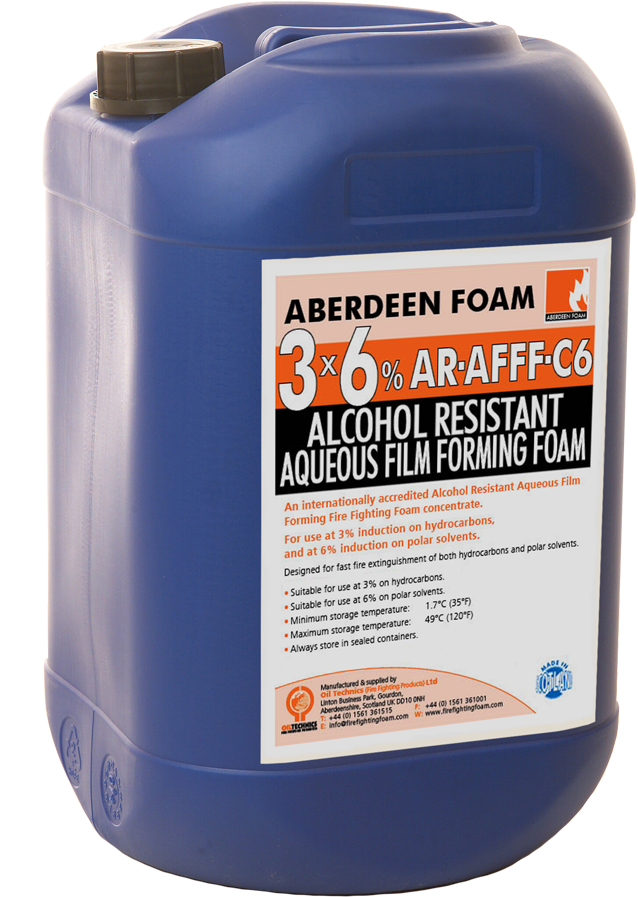
Aberdeen Foam 3x6 Ar Afff C6 Oil Technics Fire Fighting Foam
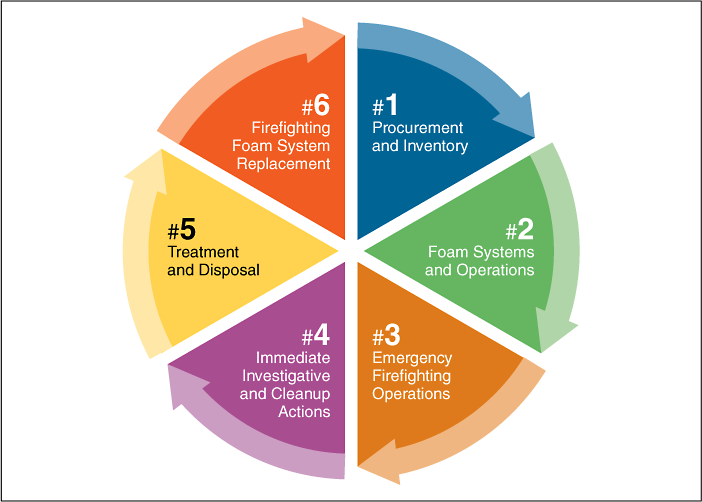
3 Firefighting Foams Pfas Per And Polyfluoroalkyl Substances

Chemguard 1 Afff Foam Concentrate Firefighter One
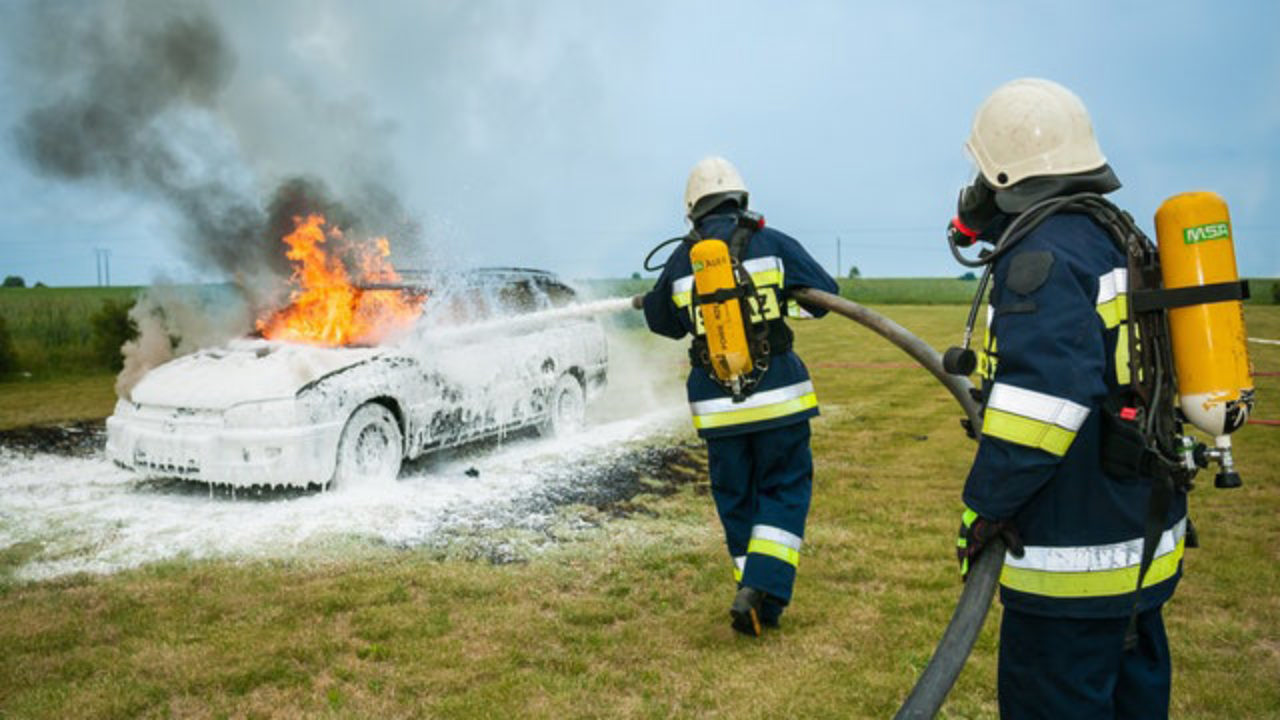
Types Of Firefighting Foam Vanguard Fire And Security

Phos Chek 3 3 Ar Afff Foam Fire Product Search

The Hidden Dangers In Firefighting Foam
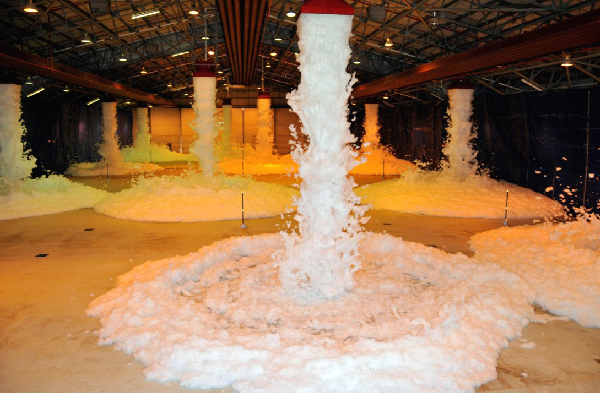
Aqueous Film Forming Foam Afff
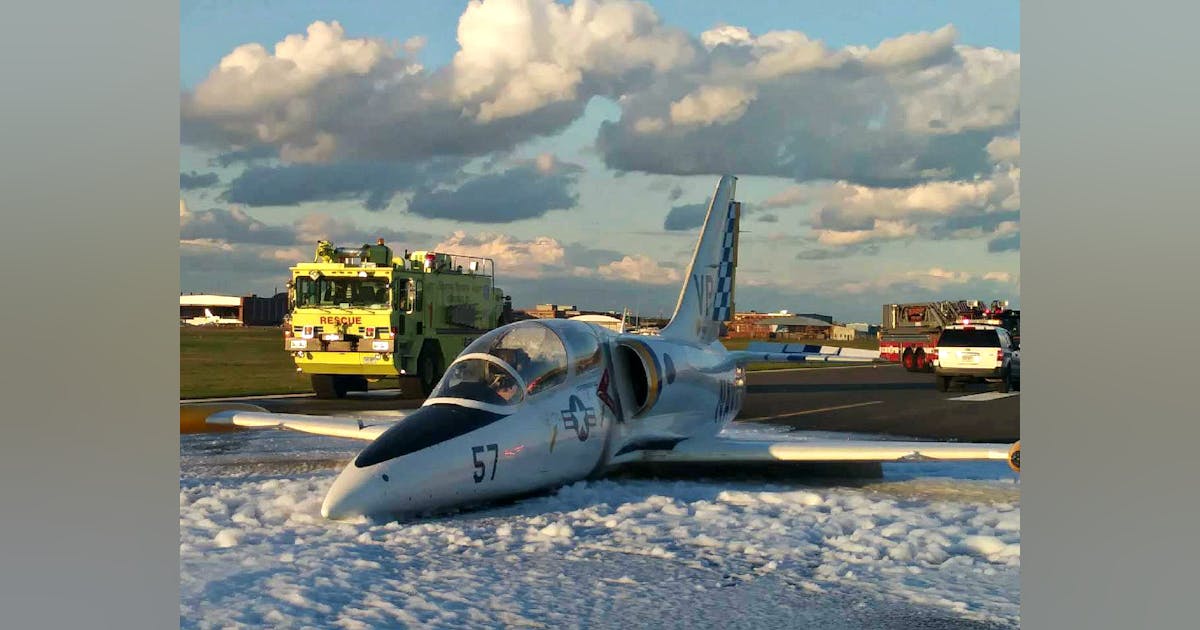
Foam Fundamentals Firehouse
Aqueous Film Forming Foam Afff Toxicity Exposures And Illnesses
What Is Afff Douglas London
Heating Up Afff Firefighting Foam Exposure Lawsuits Alert Communications
